
Keloid & Hypertrophic Scars
Keloid & Hypertrophic Scars
Keloid & Hypertrophic Scars
Keloid and hypertrophic scars can have a profound emotional and physical impact on individuals. These raised, thickened scars often develop after trauma, surgery, acne, or burns and can become itchy, painful, or aesthetically concerning. At Canada Scar Clinic, we offer a comprehensive, physician-supervised treatment protocol for patients seeking long-term solutions for keloid and hypertrophic scar removal in Toronto and Richmond Hill.Patients looking for comprehensive scar treatment options can also visit our Scar Treatment in Richmond Hill page to learn about combined treatment approaches and personalized care plans.
Treatment Options
We build an individualized plan based on scar type, location, skin tone, and your goals. Options may include:
Best For:
Plan:
Advanced Keloid and Hypertrophic Scar Treatments in Toronto
Canada Scar Clinic is a leader in the aesthetic and therapeutic treatment of abnormal scars. Our strategy involves individualized assessments, combination therapies, and physician-led interventions tailored to each patient’s scar type, skin tone, and healing response.
Understanding Keloid and Hypertrophic Scars
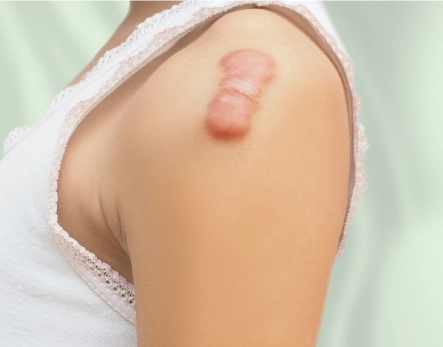
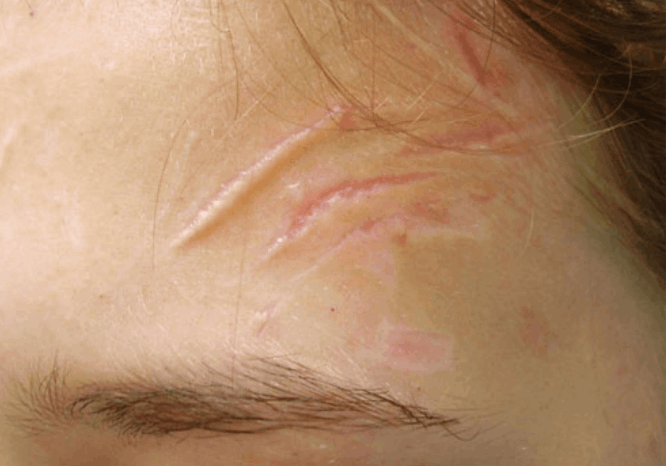
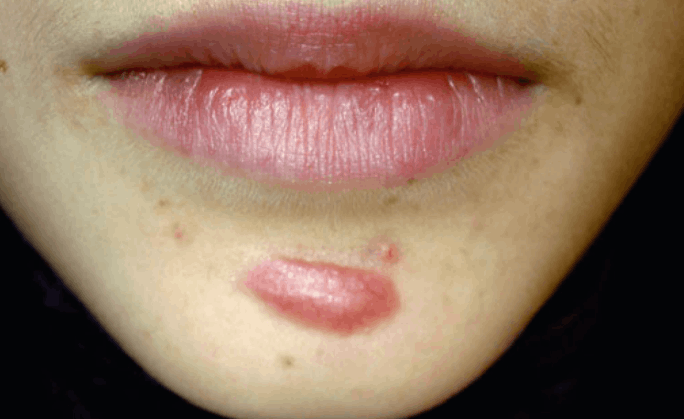
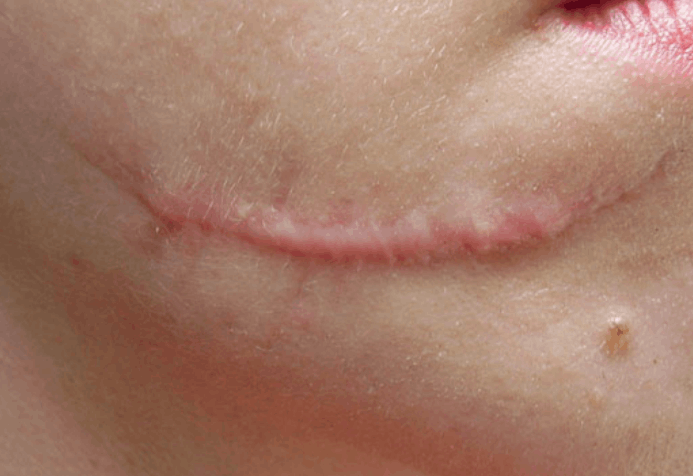
Though similar in appearance, keloid and hypertrophic scars are distinct in nature. Hypertrophic scars remain within the boundary of the original wound and may fade with time. Keloids, on the other hand, grow beyond the wound edges and rarely regress without treatment. Common causes include:
- Surgical incisions
- Acne outbreaks
- Piercings or tattoos
- Burns or trauma
- Genetic predisposition (especially in darker skin types)
Without expert care, these scars can persist or worsen. Our specialized approach integrates medical and non-invasive technologies to achieve visible, lasting results.
Targeted Treatments for Keloid & Hypertrophic Scars
We use a range of strategies—injections, lasers, ultrasound, cryotherapy, and silicone care to flatten raised scars, ease symptoms, and reduce recurrence with minimal downtime.
Additional Options: Chemical Peels and Combination Therapy
For post-inflammatory hyperpigmentation (PIH) or surface-level acne scars, our chemical peels can help brighten and refine skin appearance. These are often integrated with microneedling or subcision in a phased protocol.
FAQs
What’s the difference between a keloid and a hypertrophic scar?
Keloids grow beyond the original wound edges and often recur; hypertrophic scars stay within the wound and may soften over time. Both can be itchy, tender, or cosmetically noticeable.
How do you decide which treatment I need?
We map your scar type, location, skin tone, and goals, then build a plan. Options may include intralesional corticosteroid injections (± 5-fluorouracil for resistant keloids), vascular/fractional lasers for redness/texture, RF fractional microneedling in selected cases, cryotherapy, silicone or pressure therapy, and surgical revision with adjuvant therapy when appropriate.
How many sessions will I need and when will I see results?
Most plans are staged. Injections are commonly every 4–6 weeks for 2–6 sessions; lasers are often 2–5 sessions spaced 4–8 weeks apart. Improvements build gradually over weeks to months—we review progress and adjust as needed.
Will my scar go away completely?
Our goal is improvement and blending—to flatten or soften tissue, calm redness, and reduce symptoms—not a promise of “scar-free.” Keloids can regrow, so some patients benefit from maintenance touch-ups if changes reappear.
Is it safe for darker skin tones, and what’s the downtime like?
Yes. We customize settings to your complexion and can do a test spot first. Typical downtime: Laser/RF causes mild redness/heat for 1–3 days; injections may leave brief tenderness; HIFU has minimal downtime with possible 24–72h tenderness or swelling. Most people resume normal activities quickly.
How should I prepare and what about costs?
Avoid sun/tanning for 2 weeks, pause retinoids/acids 3–5 days before treatment, and arrive with clean skin. Aftercare is simple: gentle cleanse, moisturize/barrier ointment, SPF, and no picking. Treatments are usually not covered by provincial insurance; we offer flexible payment options and can stage care to fit your budget.
Will my keloid/hypertrophic scar come back after treatment?
Recurrence is possible, especially in keloids. We reduce risk with a phased plan—e.g., a series of injections/laser or cryotherapy, silicone gel/sheets at home, and occasional maintenance visits. We’ll also review triggers (friction, piercings, sun) and give you a simple after-care routine to help keep results stable.
Does treatment hurt? What comfort options do you use?
Most patients describe mild discomfort. We use topical numbing, cooling, and when needed a small amount of local anesthetic for injections or cryotherapy. You may feel tenderness or tightness for 24–48 hours; over-the-counter pain relief and our post-care instructions are usually enough.
Is there a “best time” to start—can you treat very new or very old scars?
Earlier is better once the skin has fully healed (usually 6–8 weeks after injury or surgery). That’s when raised, itchy scars often respond fastest to injections or laser. Older, thicker scars can still improve—treatment plans may simply require more sessions or combination therapy.
Are there risks or side effects I should know about?
Temporary redness, swelling, or sensitivity are common. Cryotherapy can cause shortterm blistering; steroid injections may rarely thin or lighten the skin if overused. Postinflammatory pigmentation is possible, especially after sun exposure—we minimize this with conservative settings, test spots when appropriate, strict sun protection, and tailored after-care.
Can you treat earlobe, chest, or facial keloids safely?
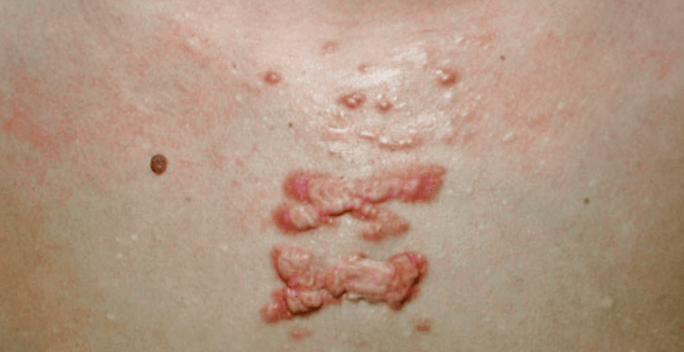
Yes. We individualize technique by location: ear-lobe keloids often respond well to cryotherapy plus injections; chest lesions need cautious, staged therapy due to higher recurrence; facial scars are treated with conservative energy settings and protective measures. Your plan is customized to the area, skin tone, and healing response.
What to Expect During Your Treatment Journey
Your scar treatment journey begins with an in-depth consultation. We’ll evaluate:
 Your scar’s depth, color, and historyYour skin type and healing responsePrior treatments or reactions
Timeline for improvement:
Why Choose Canada Scar Clinic for Keloid & Hypertrophic Scar Treatment?
We focus exclusively on scars. Canada Scar Clinic in Toronto and Richmond Hill is physician-led and dedicated to improving both the appearance and comfort of keloid and hypertrophic scars. Using advanced, evidence-based techniques and personalized care, we aim for results that address not only aesthetics but also symptoms like itching, pain, and recurrence.
What makes us different:
- Physician-led treatments backed by clinical research
- Latest FDA-cleared technology including HIFU and fractional lasers
- Experience in treating diverse skin tones and scar types
- Aesthetic and therapeutic integration
Related Conditions and Services
Keloid and hypertrophic scars may overlap with other scar concerns. Patients can also benefit from related treatments we provide, including:
Surgical Scar Revision in Toronto for post-operative scars
Acne Scar Treatment in Toronto for textured acne scars
Burn Scar Treatment in Richmond Hill for thick burn scars
Stretch Mark Removal in Toronto for weight-related marks
Combining Treatments for Better Outcomes
Many patients benefit from a combination of therapies. For example:
- Laser + TCA CROSS for acne-related hypertrophic scars
- Steroids + HIFU for inflamed keloids
- HIFU + RF Microneedling (RF Fractional) for deep remodeling
We also offer adjunctive treatments like Deep chemical peel acne scars in Toronto, Punch scar removal in Richmond Hill, or BellaFill for acne scars in Toronto when appropriate.