
Lasers
Lasers
Lasers
use precise beams of light energy to resurface the skin and stimulate new collagen growth. By gently removing damaged outer layers and promoting regeneration beneath, laser therapy helps smooth scars, even skin tone, and improve overall texture with lasting results.This treatment is part of a comprehensive scar treatment strategy. Learn more about our complete Scar Treatment in Richmond Hill.
How Laser Treatment Works
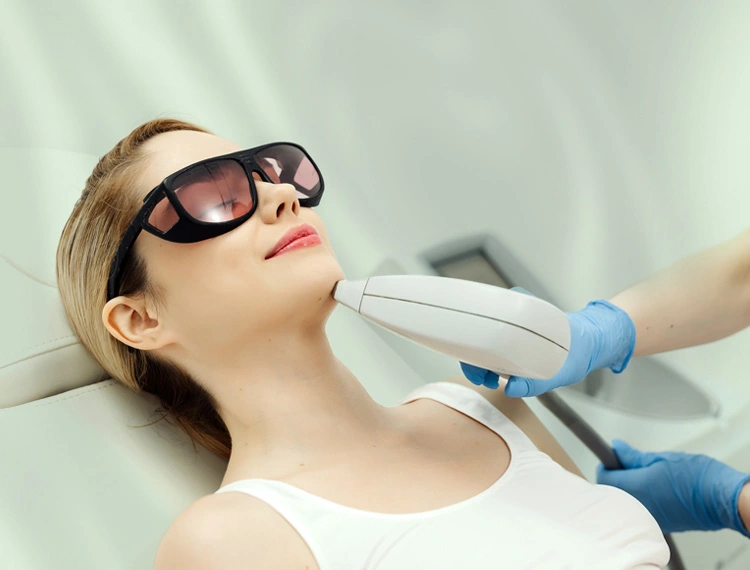
Laser therapy uses focused light energy to remove damaged skin layers and stimulate collagen renewal, revealing smoother, clearer, and more even skin beneath.
Best For:
Plan:
Laser Scar Removal in Toronto and Richmond Hill
At Canada Scar Clinic, we offer the latest in laser scar removal in Toronto and Richmond Hill, using medical-grade technologies to target deep and superficial skin issues. Our treatments are customized to your scar type, skin tone, and goals.
Patients with ice pick or boxcar scars may benefit from combining laser therapy with TCA Cross treatment in Toronto, a treatment that chemically rebuilds scar tissue from the inside out.
For those with rolling scars, subcision treatment in Toronto may be recommended prior to laser resurfacing. This prepares the skin by releasing the fibrous bands underneath the scar.
Combining Laser with RF Microneedling
To enhance the skin-tightening effect, CO2 laser can be combined with RF microneedling. This dual approach addresses both texture and laxity, particularly in aging or scar-damaged skin.
Benefits of Laser Scar Revision
- Improves skin texture and tightness
- Stimulates collagen production
- Reduces depth of scars
- Enhances tone and smoothness
- Complements acne scar treatments like microneedling
The Science Behind Laser Treatment
Laser therapy uses concentrated light energy to remove damaged skin cells and stimulate deep tissue repair. By resurfacing the outer layer and boosting collagen renewal underneath, it restores smoother, firmer, and more even-toned skin.
Non-Ablative Q-Switch Laser: A Gentle Alternative
The Q-switch laser is used for treating pigmentation and dark spots associated with acne scars. It is non-invasive and requires no downtime, making it a practical choice for patients unable to pause daily routines.
This method is especially effective after resurfacing sessions or chemical treatments. For pigmentation caused by acne, patients may benefit from a follow-up with our chemical peel scar revision in Toronto.
FAQs
Will laser treatment hurt?
Most patients describe the feeling as a quick, warm tingling sensation. Numbing cream is applied beforehand to keep you comfortable throughout the session.
How soon will I see results after laser treatment?
You’ll notice smoother, fresher skin within the first week, with continued improvement over the next few months as new collagen forms.
Is there any downtime after laser resurfacing?
Mild redness or peeling may occur for a few days, but most clients return to normal activities within a week.
Can laser help with old scars or only new ones?
Both! Laser therapy can improve the color, texture, and depth of old or recent scars, helping them blend more evenly with surrounding skin.
How do I know if laser is right for my skin?
During your consultation, our specialists assess your skin type and scar condition to choose the safest and most effective laser settings for you.
Is laser treatment safe for darker skin tones?
Yes. We use modern ablative and non-ablative devices with adjustable settings to treat a wide range of skin tones safely. For higher-melanin skin, we use conservative energy, larger spacing, and may perform a small test spot to minimize pigment changes.
What side effects should I expect, and how long do they last?
Most clients experience temporary redness, warmth, and mild swelling that settles within 24–72 hours. Light flaking or bronzing can occur for a few days with resurfacing lasers. Less common effects—like temporary darkening (PIH) or small breakouts—are manageable and we give clear aftercare to reduce risks.
Who should avoid or delay laser treatment?
Please postpone if you’re pregnant, have an active skin infection, open wounds, or a recent tan/sunburn. Let us know if you’ve used isotretinoin in the last 6–12 months, take photosensitizing medications, have a history of keloids, or have poorly controlled medical conditions—we’ll advise safer options or timing.
How should I prepare, and what aftercare is needed?
Before treatment, avoid tanning/self-tanners for 2–4 weeks and pause retinoids or strong acids for 3–7 days (we’ll guide you). After treatment, keep skin clean and moisturized, avoid heat/exercise for 24–48 hours, don’t pick flaking skin, and use broad-spectrum SPF daily to protect results.
Are results permanent, or will I need maintenance?
Laser remodeling is long-lasting, but skin continues to age and scars can keep improving with staged care. Many clients choose a maintenance session every 6–12 months or combine treatment with RF microneedling or peels for continued refinement. We’ll tailor a plan to your goals.
What to Expect During a Laser Treatment
During your laser session at Canada Scar Clinic, our specialist will assess your skin type and scar condition before selecting the appropriate laser technology. The device delivers controlled light energy into the skin, resurfacing damaged areas while stimulating collagen regeneration underneath. Treatment time varies from 30 to 60 minutes depending on the size and depth of the area treated.
You may feel a mild warmth or tingling during the procedure. Afterward, slight redness or peeling may occur for a few days as your skin renews itself. Recovery is generally smooth, and most patients can return to normal activities within a week.
Ideal Candidates for Laser Treatment
 Moderate to severe acne scarsSurgical or injury-related scarsUneven skin tone and textureStretch marks in visible areas
If you’re seeking smoother, clearer skin with minimal downtime, our specialists can help determine the most effective laser approach for your specific condition.
Why Choose Canada Scar Clinic?
- Experts in skin resurfacing and scar revision
- Personalized treatment plans for all skin types
- State-of-the-art fractional and Q-switch laser systems
- Experienced in pairing laser with subcision, fillers, and microneedling
Combining Laser Treatments with Other Scar Procedures
For optimal results, laser resurfacing can be combined with complementary scar treatments that enhance healing, stimulate deeper collagen remodeling, and refine skin texture.
Microneedling with PRP: Creates controlled micro-channels to boost collagen regeneration. When paired with laser therapy, it accelerates recovery and enhances skin smoothness.
Subcision: Releases fibrotic scar bands beneath the surface, allowing the laser to work more evenly across the skin and improve depressed scars.
Chemical Peels: Removes surface pigmentation and smooths fine irregularities, helping maintain brightness and even tone after laser sessions.
These combinations can be discussed during your consultation to design a customized treatment plan suited to your skin condition and goals.
Laser Treatment Cost and Sessions
The cost of laser scar treatment in Toronto varies depending on the scar type, treatment area, and the laser technology used. Most patients benefit from 3–5 sessions, typically spaced 4–6 weeks apart, allowing the skin to fully regenerate between treatments.
Our clinic provides personalized treatment plans and competitive package pricing to suit your specific skin needs and goals.